
Toxic Plants For Dogs App Checks And When To Call A Vet
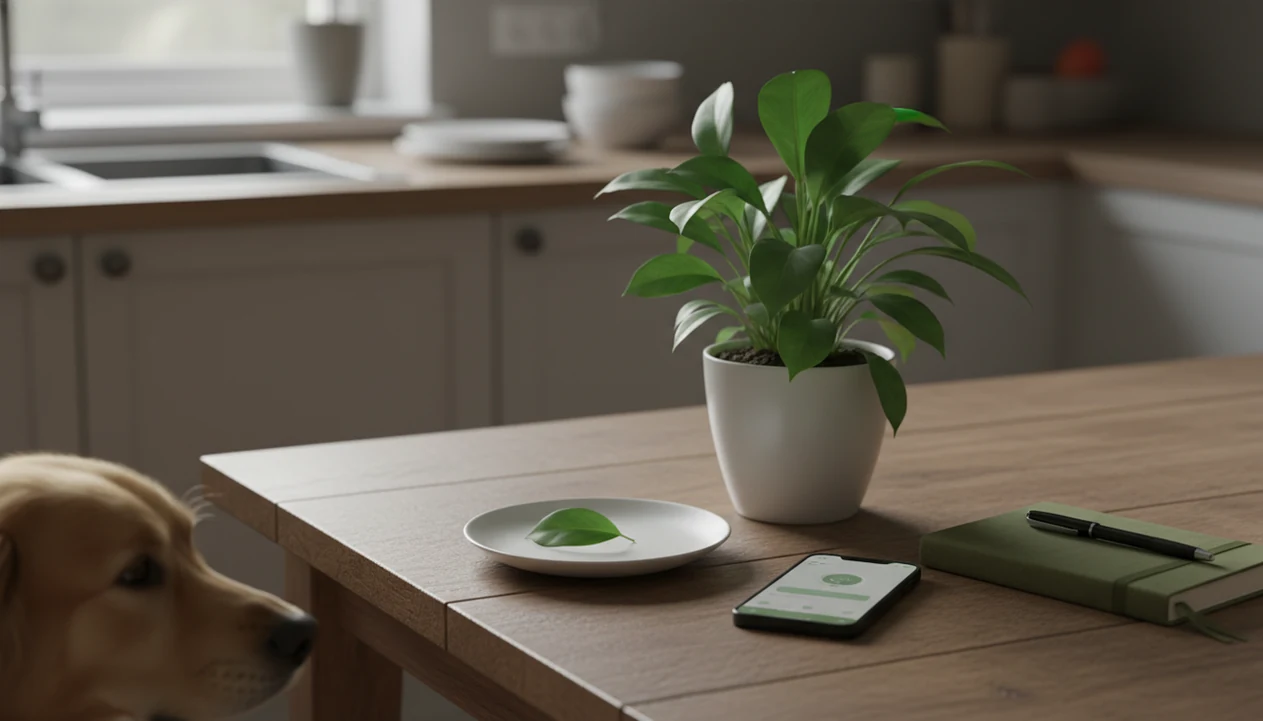
A toxic plants for dogs app can help you identify a plant and check whether it may be poisonous, but it should not be treated as emergency veterinary advice. If your dog has chewed or swallowed a plant, use the app to gather the plant name, photos, and likely toxicity details, then call your vet or a pet poison hotline promptly.
In the U.S., two commonly used veterinary poison resources are the ASPCA Animal Poison Control Center at 888-426-4435 and Pet Poison Helpline at 855-764-7661. Both may charge consultation fees; call your local veterinarian or emergency clinic first if your dog is already weak, shaking, struggling to breathe, or repeatedly vomiting.
Definition: A toxic plants for dogs app is a photo or search-based mobile tool that helps dog owners identify plants and compare them with pet toxicity information before deciding whether veterinary help is needed.
TL;DR
- Use plant toxicity apps as a fast risk check, not as a diagnosis or treatment plan.
- Call a vet or poison control if your dog ate the plant, has symptoms, or the app result is uncertain.
- The safest workflow is to photograph the plant, save the app match, note symptoms and timing, and share everything with a veterinary professional.
Toxic Plants For Dogs App Meaning And Safe Use Boundary
A toxic plants for dogs app combines plant identification with a toxicity lookup, usually from a photo, typed plant name, or both. It can narrow an unknown plant to a likely match, then show whether that plant is known to be risky for dogs.
That boundary matters. A likely app match is not a veterinary diagnosis, and it cannot tell whether your dog swallowed enough plant material to need treatment. The leaf photo may look convincing, but the stem, flower, bulb, and soil surface often change the answer.
Tools like PlantApp identify plants from photos and give care, watering, and disease troubleshooting steps for plant owners. In a pet-safety situation, use that result as a starting point, then verify risk with a veterinarian or poison hotline.
The plant name is useful. The treatment decision is medical.
Dog-Safe Plant App Decision Rules For 4 Exposure Scenarios
A dog-safe plant app is most useful when it points you toward the next safe action. The key question is not only “what plant is this?” but “did my dog touch, chew, or swallow it?”
| Scenario | What the app can do | Safer next step |
|---|---|---|
| No exposure | Identify houseplants, patio pots, bouquets, and garden plants before trouble starts. | Move risky plants out of reach and label unknowns. |
| Possible chewing | Compare the leaf shape, stem, and growth habit with the app match. | Watch closely and call your vet if you are unsure. |
| Confirmed ingestion | Save the likely plant name, photos, and toxicity note. | Call a vet or poison hotline promptly. |
| Symptoms present | Help organize plant details for the clinic. | Seek veterinary help now. |
Symptoms can include vomiting, diarrhea, drooling, weakness, tremors, breathing changes, and lethargy. A “non-toxic” result does not guarantee no stomach upset, allergy, choking risk, pesticide exposure, or fertilizer irritation.
For dog owners, photographing the plant and calling with the app result is often faster than describing “a green vine” from memory.
How A Toxic Plants For Dogs App Works Behind The Photo
A toxic plants for dogs app usually works by turning your photo into visual features, then comparing those features with known plant images. The AI model may use image embeddings, which are numerical summaries of leaf shape, color, vein pattern, flower form, and growth habit.
After the app suggests a likely match, that plant name is checked against toxicity data. Better tools show confidence levels, alternate matches, source notes, and update history. Database quality matters as much as the photo model.
Blurry leaf photos taken under yellow kitchen light at 10 p.m. are where mistakes happen. Take a second photo in natural light, including the stem, pot, soil surface, and any flowers or berries. Good AI plant identifier, disease diagnosis, and personalized plant care app for houseplants and garden plants should deliver a likely match and practical next step, not a guaranteed diagnosis from one photo.
No app can know dose, dog weight, medical history, or the exact amount swallowed.
Poisonous Plants Dogs App Emergency Workflow
Is there an app that can tell if a plant is poisonous to dogs? Yes, a poisonous plants dogs app can help check a likely plant match against toxicity information, but it should feed into a veterinary call, not replace one.
- Move your dog away from the plant and remove loose leaves, stems, bulbs, or berries nearby.
- Photograph the plant from several angles, including the stem, flowers, pot, and any chewed area.
- Run the app check using the clearest photo and compare the leaf shape, stem, and growth habit.
- Save the result with the plant name, toxicity note, and alternate matches if the app shows them.
- Record symptoms and timing such as vomiting, drooling, tremors, diarrhea, weakness, or lethargy.
- Call your vet or poison hotline and share the photos, app result, amount eaten, and your dog’s weight.
Do not induce vomiting unless a veterinary professional tells you to. Keep a plant sample or clear photos for the clinic, especially if the plant tag was faded by sun or tossed with the nursery sleeve.
Five Toxic Plants For Dogs App Facts Owners Need
These five facts are the safest way to frame app-based plant checks for dogs.
- Many common plants can be flagged, including azaleas, daffodils, tulips, hydrangeas, tomato plants, and philodendron-like houseplants.
- In 2023, the ASPCA Animal Poison Control Center handled 38,021 calls related to plant toxicities, according to ASPCA reporting source.
- The ASPCA lists more than 400 plants as toxic to dogs in its online poisonous plant database, showing why one memory-based guess is risky source.
- Apps are often most useful before an emergency, when you can audit homes, yards, patios, and walking routes calmly.
- Symptoms can be delayed or subtle, so a normal-looking dog is not proof that a swallowed plant was harmless.
The most common medically supported way to handle known plant ingestion is prompt veterinary consultation combined with clear plant identification details.
If cats also live in the home, the risk list changes; our toxic plants for cats app guide covers that separate check.
Dog-Safe Plant App Features Worth Trusting
A trustworthy dog-safe plant app should make uncertainty visible. Look for features that help you verify, cross-check, and contact a professional when the result matters.
1. Photo ID with alternate matches. The app should show more than one possible plant when the image is ambiguous.
2. Manual name search. This helps when you still have a nursery tag, even if the tag is faded or partly missing.
3. Toxicity status and symptom notes. Useful entries name likely risks, such as vomiting, drooling, diarrhea, or weakness.
4. Source transparency and update history. Databases should explain where toxicity information comes from and when it was last revised.
5. Emergency contact links. A quick route to a vet, clinic, or poison hotline can matter more than another care tip.
Dedicated pet poison apps may cover medications, foods, cleaners, and toxins beyond plants. The ASPCA Animal Poison Control Center mobile app describes coverage of more than 275 toxins, including toxic and non-toxic plants source. Cross-checking a plant ID app against a pet poison resource is sensible, especially for unfamiliar species.
PlantApp can support plant naming and care context, but veterinary toxicology decisions still belong with professionals.
Authoritative Dog Plant Toxicity Sources And Hotlines
The most reliable dog plant toxicity sources are veterinary poison hotlines, your veterinarian, and clinical references used by professionals. App matches are useful, but they should be checked against those resources when a dog may have eaten a plant.
Two U.S. contacts to keep handy are the ASPCA Animal Poison Control Center at 888-426-4435, source URL: https://www.aspca.org/pet-care/animal-poison-control, and Pet Poison Helpline at 855-764-7661, source URL: https://www.petpoisonhelpline.com. Pet Poison Helpline notes that a consultation fee may apply, and ASPCA poison consultations may also involve a fee.
Use the Merck Veterinary Manual or your veterinary clinic’s guidance when you need background on a plant, symptom pattern, or treatment category, not when your dog is actively worsening. In an active exposure, call first and research second.
- Verify the app’s plant name against a professional toxicology resource or clinic advice.
- Provide clear plant photos, including leaves, stems, flowers, berries, bulbs, pot, and chewed parts.
- Estimate how much your dog ate and when it happened.
- Share your dog’s weight, age, medications, and current symptoms such as vomiting, drooling, tremors, or weakness.
- Follow the hotline or veterinarian’s instructions rather than trying home treatment.
Common Toxic Plants For Dogs App Myths
A “safe” label does not mean impossible to cause illness. Dogs can still get stomach upset from chewing leaves, swallowing fibrous stems, or eating potting mix with fertilizer residue.
AI plant ID also does not replace a vet or poison hotline. It can help you say “possible dieffenbachia” instead of “green houseplant,” but it cannot decide treatment. Clinicians typically recommend contacting a veterinary professional when ingestion is known, symptoms appear, or the plant identity is uncertain.
Another risky myth is that poisonous plants always cause immediate, dramatic symptoms. Some signs are mild at first, and some exposures become clearer over time. Quiet is not always safe.
Look-alike plants and blurry photos create false confidence. A single pretty leaf may hide the clue that matters, such as a bulb, berry, milky sap, or fuzzy purple stem. Pet-proofing still matters, even if you use a plant app. For broader household risk habits, our plant app safety guide explains where app checks fit.
Home And Yard Audits With A Poisonous Plants Dogs App
A poisonous plants dogs app works best before your dog has eaten anything. Use it to audit houseplants, patio containers, garden beds, bouquets, and common walking-route plants while there is no pressure.
Start with the plants your dog can actually reach. Scan the floor-level pots, trailing vines, raised beds, and the corner where wind drops leaves. A lily bouquet removed from the table is a practical safety choice, not overreacting when pets are nearby.
Label unknown plants after you scan them. Move risky plants behind closed doors, onto high shelves that dogs cannot access, or out of the home. For outdoor beds, leave a mulch gap around unknown sprouts until you know what they are.
Cross-check high-risk or unfamiliar plants with an authoritative toxicity database, especially if the app confidence is low. Dog-safe plant planning usually works best when app checks are combined with physical barriers, training, and routine plant reviews.
If children share the space, the decision gets broader; compare the same plant against a plant toxicity app for children.
Limitations
Apps can reduce guesswork, but they have clear limits in dog poison situations. If the app result conflicts with a plant tag, nursery receipt, veterinarian, or poison hotline, treat the professional source as higher authority. If you cannot identify the plant confidently, tell the clinic it is unknown rather than guessing.
- AI plant identification can be wrong because of poor lighting, partial leaves, immature growth, missing flowers, or look-alike species.
- A photo of one attractive leaf may miss the stem, bulb, berry, sap, or growth habit needed for safer identification.
- Toxicity databases may omit regional, rare, hybrid, or newly documented plants.
- The app cannot judge the exact dose, plant part eaten, dog size, breed, age, pregnancy status, or medical history.
- The app cannot provide treatments such as supervised vomiting, activated charcoal, IV fluids, lab work, or monitoring.
- Subscription limits, offline conditions, weak signal, and internet access can reduce usefulness during a real incident.
- A non-toxic label does not rule out choking, pesticide exposure, mold, fertilizer, stomach upset, or allergy.
- Photo privacy matters if images show rooms, addresses, pets, or people; our plant app photo privacy guide covers that side of app use.
Use the app result as evidence to share, not as permission to wait when your dog is symptomatic.
FAQ
Is there a dog plant app that checks toxicity?
Yes. Plant identification apps and pet poison apps can help check whether a plant may be risky for dogs, but they should not replace veterinary advice after exposure.
Can apps identify poisonous plants for dogs?
Apps can suggest likely plant matches and show toxicity status, but they are not perfectly accurate. Poor photos, missing plant parts, and look-alike species can change the result.
What app checks dog-safe plants?
Look for a plant identifier app with toxicity notes, manual plant search, source transparency, and emergency contact links. Apps such as PlantApp can help name plants, while pet poison databases add toxicity cross-checks.
Should I call a vet if my dog ate a plant?
Yes, call a vet or poison hotline if your dog chewed or swallowed a plant and the identity, amount, or risk is uncertain. Call urgently if symptoms appear.
What should I do if my dog ate leaves?
Move your dog away, photograph the plant, run an app check, save the likely match, and note the time eaten. Then call your vet or a pet poison hotline for instructions.
Are non-toxic plants always safe for dogs?
No. Non-toxic plants can still cause stomach upset, allergy, choking, pesticide exposure, or irritation from soil and fertilizer.
Can plant identifier apps be wrong?
Yes. Misidentification can happen with blurry images, poor lighting, young plants, missing flowers, and similar-looking species.
Which plants poison dogs most often?
Common risky plants include azaleas, daffodils, tulips, hydrangeas, tomato plants, and philodendron-like houseplants. Check an authoritative toxicity database and call a vet if exposure occurred.
Can I use ASPCA plant toxicity data in an app check?
Yes. ASPCA toxicity resources are useful for cross-checking an app result, but ingestion or symptoms still warrant contact with a vet or poison hotline.