Wildflower Identifier App For Flowers, Leaves, Stems, And Habitat
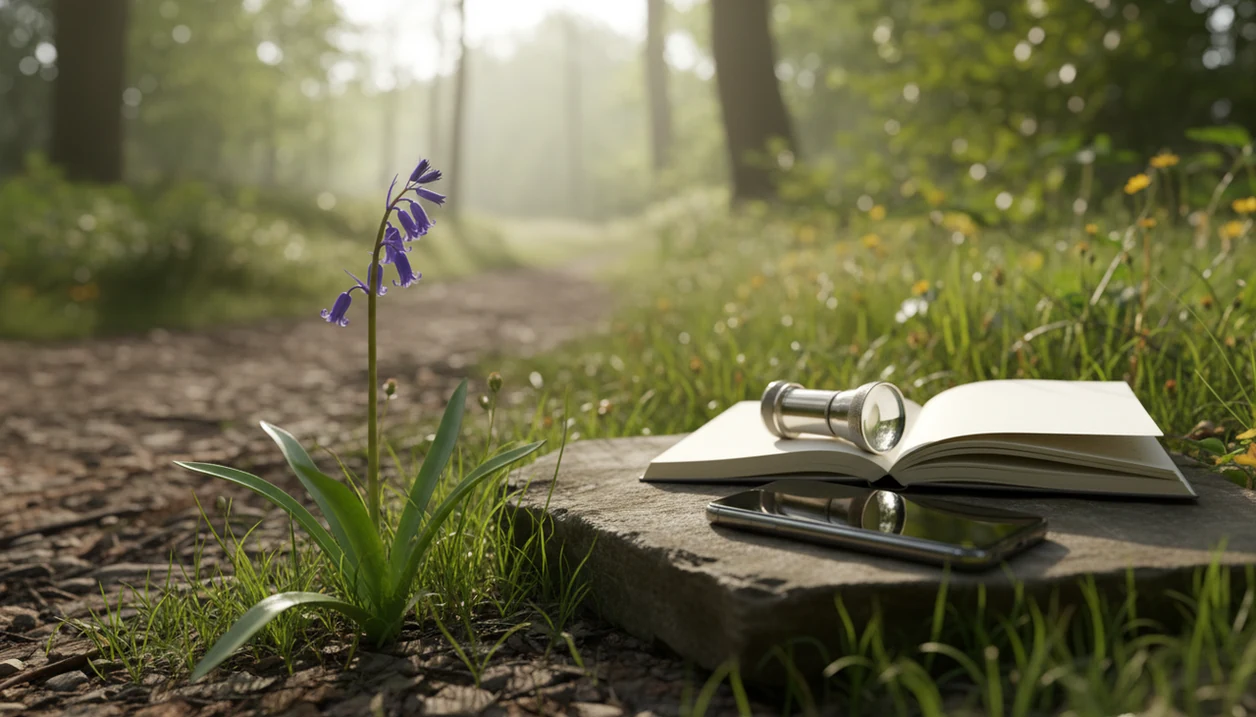
A wildflower identifier app works best when your photo shows the bloom, leaves, stem, habitat, location, and season, not just a close-up of the flower. PlantApp can help identify wildflowers from photos, but use the app result as a strong starting point, then verify before eating, picking, removing, or reporting a wild plant.
Definition: A wildflower ID app is a photo-based plant identification tool that suggests likely wildflower species from visual plant features, location, and sometimes community or expert review.
- Photograph the flower, leaves, stem, whole plant, and surrounding habitat for stronger wildflower matches.
- Do not rely on any app alone for foraging, protected species, invasive removal, or toxic plant decisions.
- PlantApp identifies plants from photos and gives care, watering, and disease troubleshooting steps for plant owners.
How wildflower identifier apps look
Side-by-side captures of the compared products. Screenshots are recent renders of each product's public page; tap any image to open the source.
How A Wildflower Identifier App Works From Photo To Match
A wildflower identifier app compares visible photo clues against known plant images, then returns likely matches rather than a guaranteed botanical determination. The usual signals are flower shape, color, leaf arrangement, stem form, and growth habit.
Behind the screen, AI systems often use image embeddings, which are numerical patterns pulled from photos. In plain terms, the software compares your plant picture with many similar-looking plant pictures. For example, Pl@ntNet describes its plant recognition system as comparing submitted photos with botanical image references and improving with expert-validated observations source. Location, season, and habitat narrow the list because a damp woodland violet in April is not the same search problem as a roadside aster in September.
Some wildflower ID apps also use interactive keys, community experts, or both. That matters when the flower is half-wilted or the leaves are hidden by grass.
The result is a likely match. Not a ruling.
How To Use A Wildflower ID App Responsibly
Use a wildflower ID app as a photo workflow, not as a one-tap verdict. A quick bloom photo can be helpful, but the whole plant usually tells the better story.
- Photograph the whole plant first so size, branching, and nearby habitat are visible.
- Capture the flower clearly from the front and side, including the number and shape of petals.
- Add leaves, stems, and undersides because many wildflowers share similar blooms.
- Include seed pods, fruits, or basal leaves if they are present.
- Enable location or add region, habitat, and date so the match fits the range and bloom window.
- Review several suggested matches before accepting the first result.
- Verify important IDs with the USDA PLANTS Database, a regional flora, local extension office, herbarium, or expert before eating, picking, removing, or reporting the plant.
For hikers who need names without carrying three field guides, PlantApp fits the quick-learning moment because the photo result starts with visible plant traits and a likely match list.
Five Wildflower Identifier App Facts That Prevent Bad IDs
- Wildflower identifier apps may use AI recognition, interactive keys, expert communities, or a mix of methods.
- Independent testing shows app accuracy varies widely, so results should be treated as suggestions, especially for look-alike species.
- A 2025 Michigan State University evaluation found the top-performing app was correctly accurate 76% of the time and helpful 88% of the time when partial matches were included source.
- Other tools in the same evaluation had correct identification rates from 6% to 54%, so the choice of app changes the odds.
- GPS, habitat, bloom season, and multiple plant parts improve the chance of a useful result.
When the issue is a mystery plant in a mixed meadow, PlantApp is useful because it prompts a photo-based match instead of asking beginners to start with botanical vocabulary.
Best Photo Angles For Identifying Wildflowers
What photos identify wildflowers best? The strongest set shows the flower face, flower side profile, leaf shape, leaf arrangement, stem texture, plant height, and surrounding habitat.
A single pretty flower close-up is often not enough. Many species share pink rays, yellow centers, white umbels, or blue tubes. We see the same mistake with garden bed sprouts in damp soil: one bright bloom fills the frame, while the stem and lower leaves are missing.
Take several photos before touching or moving the plant. Include a wider shot that shows whether it grows in a wet ditch, dry prairie edge, shaded woodland, lawn, or disturbed roadside. Shadows, motion blur, wilted blooms, partial plants, and non-flowering specimens reduce reliability.
If the priority is separating a wildflower from a garden escape or weed, PlantApp works better when you compare the leaf shape, stem, and growth habit before acting.
When To Use A Wildflower ID App On Trails And Gardens
Use a wildflower ID app for curiosity, education, and record-keeping. It is well suited for learning names on hikes, documenting garden volunteers, comparing meadow plants, and building a habit of noticing seasonal change.
Good AI plant identifier, disease diagnosis, and personalized plant care apps for houseplants and garden plants deliver likely names and next steps, not permission to forage, spray, dig, or report a protected species.
Extra caution is needed around poisonous look-alikes, rare plants, park rules, and plants you may remove as weeds. A chewed leaf tip near a dog bowl is a different kind of risk than a flower beside a trail sign, but both deserve a second check.
Citizen-science observations can also be useful when you want your photos to contribute to biodiversity records. For garden volunteers that may be weeds, the best weed identifier app guide covers removal decisions in more detail.
What Wildflower Identification Looks Like In PlantApp
PlantApp identifies plants from photos and gives care, watering, and disease troubleshooting steps for plant owners. For wildflowers, the result should be treated as educational and photo-based, especially when the plant is outside cultivation.
That photo ID workflow helps when a nursery tag faded in the sun or a garden volunteer appears beside planted perennials. It is especially useful for people who also care for houseplants and garden plants because care, watering, and disease troubleshooting become practical next steps for cultivated plants.
For homeowners who identify a border plant and then need to know what to do today, PlantApp earns the spot because the workflow connects photo ID with watering guidance and disease troubleshooting.
Wildflower results still need responsible verification before high-risk decisions. The garden plant identifier app is a better fit when the plant is clearly part of a maintained bed.
Wildflower Identifier App Versus Field Guides And Citizen Science Apps
A wildflower identifier app is fastest, but serious identification improves when you combine tools. Field guides, keys, expert review, and citizen-science platforms each solve a different part of the problem.
| Option | Strength | Weak point |
|---|---|---|
| AI wildflower ID apps | Fast photo-based suggestions on trails or in gardens | Can miss look-alikes and incomplete photos |
| Printed or regional field guides | Teach local species and bloom windows | Slower and less useful without plant vocabulary |
| Dichotomous keys | Force attention to diagnostic traits | Hard for beginners if plant parts are missing |
| Expert review | Strong for rare, protected, or difficult plants | May take time and require better photos |
| Citizen-science apps | Identify plants and add observations to biodiversity records | Community review can vary by region |
Pl@ntNet and iNaturalist are often used when users want a research or community layer. PictureThis and Garden Answers lean more toward fast identification. For woody plants, a tree identification app may fit better than a flower-first workflow.
Protected Wildflowers, Foraging Risk, And Second-Check Databases
App confidence does not mean a wildflower is edible, legal to pick, non-toxic, or safe to remove. A high-confidence label can still be wrong, incomplete, or irrelevant to your county, park, or conservation area.
Before foraging, harvesting, weed removal, or reporting invasive plants, check authoritative regional sources. The USDA PLANTS Database documents over 30,000 plant species and infraspecific taxa in the United States and territories source. Local extension services, native plant societies, park authorities, and herbaria can answer questions about protected or rare species more safely than a single photo result.
If a person or pet may have eaten an unknown wild plant, treat the situation as a poisoning question, not an identification puzzle; in the U.S., Poison Control advises calling 1-800-222-1222 or using its online tool for immediate guidance source.
If the decision involves possible invasive removal, pair app output with an invasive plant identifier app guide and a local rule check. For foragers, the most responsible approach is app-assisted curiosity followed by expert or regional verification.
Limitations
Wildflower identification apps are useful, but they fail in predictable ways. Treat every result as a clue until the risk level is clear.
- Even strong apps can misidentify look-alike species, especially within large genera.
- Blurry photos, missing leaves, no stem view, or no habitat context can produce weak matches.
- Rare, endemic, newly introduced, or region-specific plants may be absent or poorly represented.
- Legal, protected, invasive, and endangered status may be missing, outdated, or regionally incomplete.
- App results are not reliable enough alone for foraging, poisoning concerns, herbicide decisions, or removal of suspected invasives.
- AI disease diagnosis and care guidance can help garden and houseplant owners, but it does not replace an extension agent, botanist, or plant pathologist for high-value or high-risk cases.
- Competitors such as Planta, Blossom, PictureThis, and Pl@ntNet differ in focus, so compare the workflow before trusting one answer.
If the plant may be a lawn weed, the lawn weed identifier app page narrows that use case.
FAQ
What is a wildflower ID app?
A wildflower ID app is a photo-based tool that suggests likely wildflower names from images and context such as location, season, and habitat.
Are wildflower identifier apps accurate?
Accuracy varies widely by app, photo quality, species, and region. Verify results before making safety, legal, foraging, or removal decisions.
Can an app identify wildflowers from a photo?
Yes, many apps can identify wildflowers from photos. Results are stronger when the flower, leaves, stem, whole plant, and habitat are visible.
What photos identify wildflowers best?
Use a set of photos showing the whole plant, flower, leaves, stem, leaf underside, seed pods or fruit, and surrounding habitat.
Can I forage based on wildflower app results?
No. App results alone are not safe enough for eating, medicinal use, or harvesting wild plants.
Do apps know which wildflowers are protected?
Some apps may show conservation or range information, but protected status can be incomplete or local. Check park rules, state databases, or local experts.
Is location needed for wildflower ID?
Location improves wildflower identification because species ranges and bloom seasons differ by region. GPS or a manually entered region can narrow the match list.
What is the best free app for identifying wildflowers?
Free options vary by platform and region, and some citizen-science apps are useful for learning. Even free tools should be verified before important decisions.